UNPAID WAGES
Unpaid Wages Attorney in San Diego, CA
San Diego Unpaid Wages Lawyers
When you work, you have the right to be paid the wages you have earned. Unfortunately, some San Diego employees are not paid correctly for all of the time they work.
Unpaid wages can take many forms. An employer may fail to pay overtime, require employees to work off the clock, withhold commissions or bonuses, make unlawful deductions from a paycheck, fail to provide legally required meal and rest periods, or fail to provide all wages owed when an employee leaves the company.
If your employer has failed to pay you properly, you may have the right to recover unpaid wages, penalties, interest, attorney’s fees, or other remedies depending on the circumstances of your case.
At Light & Miller, LLP, our San Diego employment attorneys represent employees in wage and hour disputes involving unpaid wages, overtime, meal and rest period violations, misclassification, unlawful deductions, unpaid commissions and bonuses, and other employment-law violations.
If you believe your employer owes you money for work you performed, contact Light & Miller, LLP to discuss your potential unpaid wage claim.
What Are Unpaid Wages?
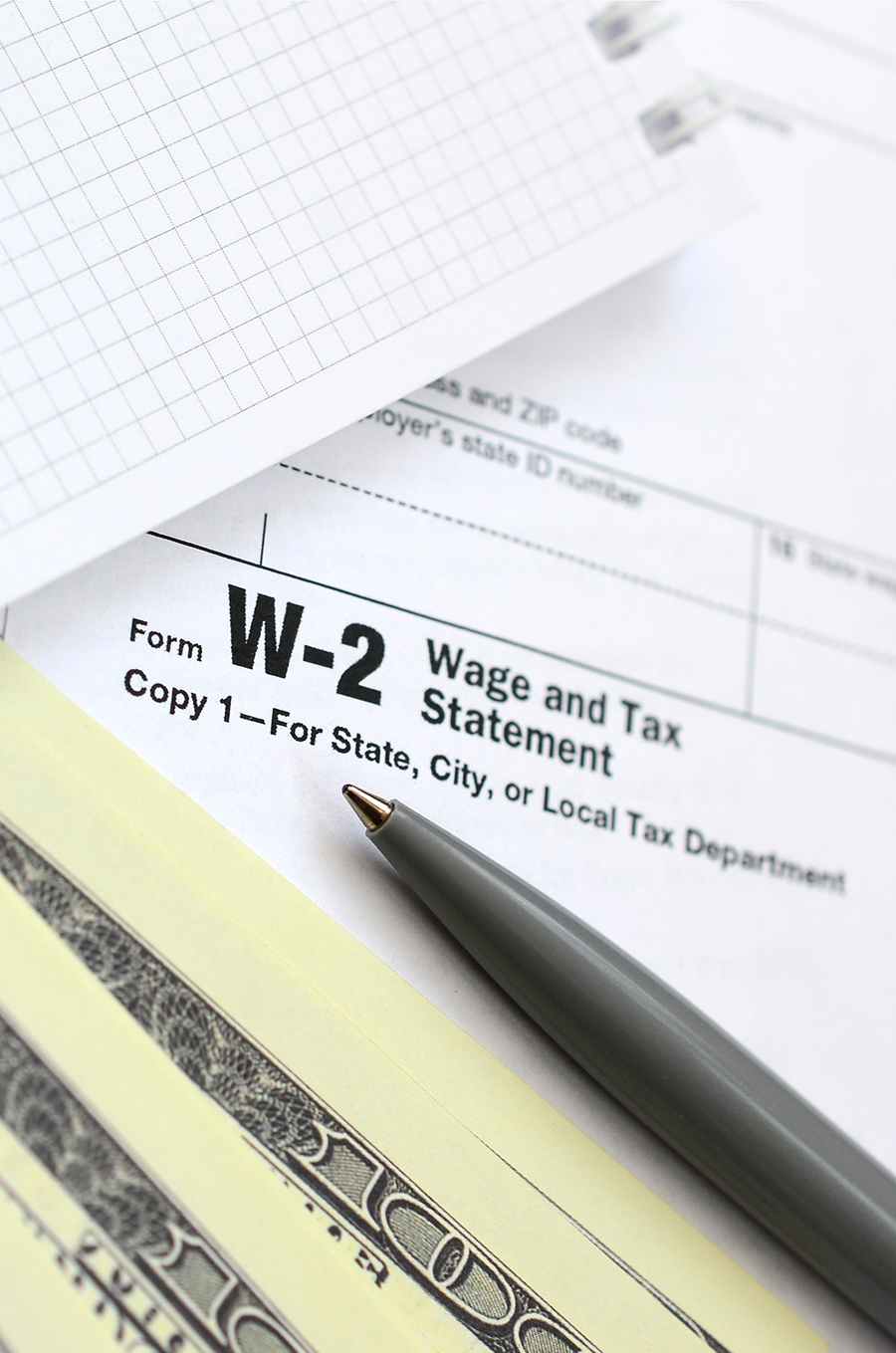
Unpaid wages are compensation an employee has earned but an employer has failed to pay as required by applicable law or an employment agreement.
California wage laws address numerous aspects of how employees must be compensated, including minimum wage, overtime, final pay, meal and rest periods, wage statements, deductions, commissions, vacation pay, and expense reimbursement.
The California Labor Commissioner’s Office specifically accepts wage claims involving unpaid wages, overtime, commissions and bonuses, final pay, unused vacation, unauthorized deductions, and unpaid business expenses.
An unpaid wage claim can therefore involve much more than simply missing a paycheck.
Common Examples of Unpaid Wage Violations
Employees may be owed compensation for a variety of reasons.
Unpaid Overtime
California generally requires nonexempt employees to receive overtime pay when they work more than eight hours in a workday, more than 40 hours in a workweek, or under other circumstances specified by California overtime law.
In many circumstances, overtime is paid at one and one-half times the employee’s regular rate of pay. Certain hours may qualify for double-time compensation.
Overtime violations can occur when an employer:
- Requires employees to work before clocking in
- Requires employees to continue working after clocking out
- Fails to count certain working time
- Misclassifies an employee as exempt
- Pays an incorrect overtime rate
- Fails to include qualifying compensation when calculating the regular rate
- Discourages employees from reporting overtime
- Changes or manipulates time records
Off-the-Clock Work
You generally should be paid for time you are required to work.
Off-the-clock work may include:
- Responding to work emails before or after a shift
- Answering work-related phone calls
- Completing paperwork at home
- Preparing a workplace before clocking in
- Cleaning or closing after clocking out
- Attending required meetings without pay
- Performing work-related tasks during an unpaid break
- Completing required training without compensation
If your employer knows or should know that you are performing work, the circumstances may support a wage claim.
Minimum Wage Violations
California law establishes a statewide minimum wage, while certain local jurisdictions have higher minimum wages.
As of January 1, 2026, California’s statewide minimum wage is $16.90 per hour for employers not subject to a higher industry- or locality-specific rate.
For employees working within the geographic boundaries of the City of San Diego, the City’s minimum wage is $17.75 per hour as of January 1, 2026. The City’s ordinance generally applies to employees who perform at least two hours of work within the City during a workweek.
Because local wage requirements can differ depending on where the work is performed, it is important to determine which wage laws apply to your employment.
Unpaid Commissions and Bonuses
Some employees receive compensation in addition to their regular hourly wages or salary.
This can include:
- Sales commissions
- Performance bonuses
- Production bonuses
- Incentive compensation
- Referral bonuses
- Other earned compensation
Whether a commission or bonus is legally owed can depend on the terms of the compensation plan, the employment agreement, when the compensation was earned, and applicable California law.
If your employer refuses to pay compensation that you have already earned, an attorney can review the applicable agreement and circumstances.
Unlawful Deductions From Pay
Employers generally cannot simply deduct money from an employee’s paycheck whenever they choose.
Potentially unlawful deductions can include deductions related to:
- Cash shortages
- Customer losses
- Broken equipment
- Damaged merchandise
- Business expenses that should have been reimbursed
- Other losses attributable to an employee
The legality of a deduction depends on the circumstances and applicable law.
Unpaid Meal and Rest Periods
California employees may be entitled to legally required meal and rest periods depending on their classification and hours worked.
Problems can arise when employers:
- Prevent employees from taking required breaks
- Require employees to work through meal periods
- Automatically deduct meal periods that employees did not actually receive
- Interrupt required breaks
- Pressure employees to skip breaks
- Fail to provide legally required premium payments when applicable
Meal and rest period violations can create additional compensation obligations.
Unpaid Vacation or Accrued PTO
California generally treats earned and accrued vacation as wages.
When employment ends, employees may be entitled to payment for qualifying accrued and unused vacation. The California Labor Commissioner’s Office recognizes unpaid accrued vacation as a type of wage claim.
Employers cannot necessarily make employees forfeit earned vacation simply because employment ends.
The specific rules depend on the employer’s policy and the nature of the benefit.
Unpaid Business Expenses
Employees may incur expenses while performing their jobs.
Depending on the circumstances, California law may require an employer to reimburse employees for necessary business expenses.
Examples may include certain:
- Mileage expenses
- Travel expenses
- Business-use of personal equipment
- Required supplies
- Work-related communications expenses
- Other necessary expenditures
The Labor Commissioner’s Office identifies unpaid expenses as a category of wage claim.
What Is Wage Theft?
“Wage theft” is commonly used to describe situations in which an employer fails to pay employees wages or other compensation they are legally owed.
Examples may include:
- Working without being paid
- Unpaid overtime
- Minimum wage violations
- Off-the-clock work
- Unpaid commissions
- Unpaid bonuses
- Illegal paycheck deductions
- Unpaid meal or rest period premiums
- Failure to pay final wages
- Unpaid accrued vacation
California workers have the right to pursue unpaid wages through the Labor Commissioner’s Office, and California labor protections apply regardless of immigration status.
San Diego Minimum Wage in 2026
Employees working within the City of San Diego may be entitled to a minimum wage higher than California’s statewide rate.
As of January 1, 2026, the City’s general minimum wage is $17.75 per hour for work performed within the geographic boundaries of the City.
However, San Diego also has a separate Hospitality Minimum Wage Ordinance, effective July 1, 2026, that establishes higher minimum wages for certain employees working at covered hotels, amusement parks, and event centers:
- $19.00 per hour for covered employees of hotels and amusement parks
- $21.06 per hour for covered employees of event centers
The hospitality ordinance applies to covered employers and certain employees who perform at least two hours of work in a workweek within the City of San Diego.
Employees working elsewhere in San Diego County may be subject to the California statewide minimum wage or another applicable local wage requirement.
Because different minimum wage requirements can apply depending on the employer, industry, and location where the work is performed, an employee should determine which rate applies to their particular situation.
What If My Employer Says I Am an Independent Contractor?
Being called an “independent contractor” does not necessarily mean that you are legally an independent contractor.
California has specific rules governing worker classification.
If you were treated as a contractor but functioned like an employee, you may have been improperly classified and potentially denied:
- Minimum wage
- Overtime
- Meal and rest period protections
- Reimbursement of business expenses
- Paid sick leave
- Other employee protections
The California Labor Commissioner’s Office notes that it does not have jurisdiction over bona fide independent contractors but may determine whether a worker has been misclassified as an independent contractor in connection with a wage claim.
Misclassification cases can be complicated, particularly when compensation is structured through a contract or commission arrangement.
What If My Employer Changes My Time Records?
Accurate timekeeping is an important part of California wage law.
Employers are generally responsible for maintaining accurate time and payroll records and providing employees with itemized wage statements. The Labor Commissioner’s Office notes that employees are not required to keep their own time records, although personal records can be useful evidence in a wage dispute.
If you believe your employer changed, deleted, rounded improperly, or otherwise manipulated your time records, preserve any evidence you have and consider speaking with an employment attorney.
What Should I Do If I Am Owed Unpaid Wages?
If you believe your employer has not paid you correctly, consider taking the following steps.
- Review Your Pay Stubs
Look at your wage statements and compare them with the hours you actually worked.
Look for:
- Regular hours
- Overtime hours
- Pay rates
- Deductions
- Bonuses
- Commissions
- Vacation or PTO
- Other compensation
California requires employers to provide employees with itemized wage statements, and those records can be important evidence in a wage dispute.
- Keep Your Own Records
Although employers are responsible for maintaining payroll records, keeping your own documentation can help.
Consider preserving:
- Pay stubs
- Time records
- Work schedules
- Emails
- Text messages
- Employment agreements
- Commission plans
- Bonus plans
- Employee handbooks
- Expense receipts
- Mileage records
- Communications with supervisors
- Records showing when you worked
Do not alter or fabricate documents.
- Calculate What You Believe You Are Owed
Try to determine:
- How many hours you worked
- How many hours were paid
- Which hours may qualify for overtime
- Whether you received the correct rate
- Whether meal or rest period violations occurred
- Whether commissions or bonuses were earned
- Whether deductions were made
- Whether expenses remain unpaid
- Whether vacation or PTO is owed
An employment attorney can help evaluate the calculation.
- Consider Raising the Issue With Your Employer
Depending on the circumstances, you may want to notify your employer that you believe your wages are incorrect.
However, there may be strategic reasons to consult an attorney before making a complaint, particularly if you believe retaliation is likely or your employer has already threatened, disciplined, or terminated you.
- Speak With a San Diego Wage and Hour Attorney
An attorney can review the facts and determine whether your situation may involve one or more wage-and-hour violations.
Can My Employer Retaliate Against Me for Asking About Unpaid Wages?
Employees may have legal protections against retaliation for exercising certain wage rights.
California and local laws prohibit certain forms of retaliation against employees who assert protected workplace rights.
If your employer reduces your hours, disciplines you, terminates you, threatens you, or otherwise treats you adversely after you raise a wage complaint, the retaliation itself may create an additional legal issue.
If you believe retaliation has occurred, preserve evidence of what happened and speak with an employment attorney promptly.
What Happens If I Quit or Am Fired Before I Receive My Wages?
California has specific rules governing final pay.
When an employee is discharged, final wages generally must be paid at the time of termination. An employee who gives at least 72 hours’ notice of quitting generally must receive final wages at the time of quitting. An employee who quits without providing at least 72 hours’ notice generally must receive final wages within 72 hours.
When an employer willfully fails to pay wages when required at the end of employment, the employee may potentially be entitled to waiting-time penalties.
California’s Labor Commissioner explains that waiting-time penalties can equal the employee’s daily wage for each day the wages remain unpaid, up to a maximum of 30 calendar days, subject to applicable requirements and defenses.
Reporting-Time Pay
In certain circumstances, California employees may be entitled to reporting-time pay when they report to work but are provided less than the required amount of work. The rules depend on the applicable wage order and circumstances.
If you regularly report to work only to be sent home early or receive little or no work, an employment attorney can evaluate whether reporting-time pay may apply.
What Are California Waiting-Time Penalties?
Waiting-time penalties are intended to encourage employers to pay employees all wages due when employment ends.
If an employer willfully fails to pay wages that are due at termination, the employee may potentially recover a penalty calculated based on the employee’s daily wage for each day the wages remain unpaid, up to 30 days.
The penalty is not automatic in every case. For example, the Labor Commissioner’s Office explains that a genuine good-faith dispute about whether wages are owed can affect whether waiting-time penalties apply.
Because the rules can be technical, an attorney should evaluate whether waiting-time penalties may apply to your circumstances.
How Long Do I Have to Recover Unpaid Wages in California?
Wage claim deadlines vary depending on the type of violation.
The California Labor Commissioner’s Office currently identifies different deadlines for different wage claims, including:
- One year for certain penalties involving bounced checks or failure to provide access to payroll or personnel records
- Two years for certain oral promises to pay more than minimum wage
- Three years for minimum wage, overtime, unpaid meal and rest periods, sick leave, illegal deductions, and unpaid reimbursements
- Four years for claims based on a written contract
These are general deadlines for wage claims filed with the California Labor Commissioner’s Office. Different statutes, remedies, administrative procedures, and civil claims can have different deadlines.
Do not wait until a deadline is approaching before seeking legal advice.
Can I File an Unpaid Wage Claim With the California Labor Commissioner?
Yes. California employees can file wage claims with the Labor Commissioner’s Office when an employer fails to pay wages or benefits that are owed.
The Labor Commissioner provides an administrative process that may include investigation, a settlement conference, and, if necessary, a hearing.
The Labor Commissioner’s Office handles claims involving issues such as:
- Unpaid wages
- Overtime
- Commissions
- Bonuses
- Final wages
- Accrued vacation
- Unauthorized deductions
- Unpaid expenses
Depending on the circumstances, an employee may also have the option of pursuing a claim in court.
Should I File a Wage Claim or Sue My Employer?
There is no single answer that applies to every employee.
The best approach can depend on:
- The amount of wages at issue
- The number of employees affected
- The type of wage violation
- Whether you are still employed
- Whether retaliation has occurred
- Whether a written employment agreement exists
- Whether multiple California wage laws may apply
- Whether a class or representative action may be appropriate
- The applicable filing deadlines
An attorney can help you evaluate the available options.
Can I Recover More Than My Unpaid Wages?
Potentially.
Depending on the type of violation, applicable law, and circumstances, an employee may potentially recover more than the underlying unpaid wages.
Potential remedies can include:
- Unpaid wages
- Overtime compensation
- Meal or rest period premiums
- Waiting-time penalties
- Certain statutory penalties
- Interest
- Attorney’s fees and costs
- Other available damages or remedies
The specific remedies available depend on the facts and legal claims involved.
What If Many Employees Were Underpaid?
Sometimes wage violations affect more than one employee.
For example, an employer may have a policy or payroll practice that affects an entire group of employees.
Potentially affected employees may include:
- Hourly employees
- Salaried employees
- Sales employees
- Restaurant workers
- Healthcare workers
- Warehouse employees
- Construction workers
- Office employees
- Misclassified workers
- Employees working remotely
If multiple employees experienced the same wage violation, a class action, representative action, or other group claim may potentially be appropriate.
These cases involve complex procedural and legal requirements and should be evaluated by an experienced employment attorney.
How a San Diego Unpaid Wages Attorney Can Help
Unpaid wage cases can involve much more than calculating the amount missing from a paycheck.
At Light & Miller, LLP, our attorneys can help evaluate:
- Your employment classification
- Your pay structure
- Your time records
- Your wage statements
- Your employment agreement
- Commission or bonus agreements
- Overtime calculations
- Meal and rest periods
- Expense reimbursement
- Final pay
- Potential penalties
- Potential retaliation
- Applicable filing deadlines
Depending on the circumstances, we can help you pursue unpaid compensation through negotiation, administrative proceedings, litigation, or another appropriate legal strategy.
Why Choose Light & Miller, LLP?
Experience With California Employment Law
California wage-and-hour laws are extensive and can involve multiple overlapping requirements.
Our employment attorneys understand that an unpaid wage dispute may involve more than a simple payroll error.
Representation for Employees
We represent employees in employment-law disputes involving wages, overtime, workplace discrimination, retaliation, harassment, wrongful termination, and related matters.
We Understand Wage-and-Hour Disputes
Whether the issue involves unpaid overtime, off-the-clock work, commissions, meal periods, misclassification, or final wages, we can evaluate the circumstances and explain your options.
Serving San Diego Employees
Our Southern California office is located in San Diego, and we represent employees throughout San Diego and surrounding communities.
We serve employees in areas including:
- Downtown San Diego, La Jolla, Mission Valley, Pacific Beach, Clairemont, Kearny Mesa, Sorrento Valley, Chula Vista, National City, El Cajon, La Mesa, Escondido, Encinitas, Carlsbad, Oceanside, Vista, San Marcos
Frequently Asked Questions About Unpaid Wage Claims in San Diego
1. What should I do if my employer does not pay me for all the hours I worked?
Keep records of your hours, pay stubs, schedules, communications, and other evidence. Depending on the circumstances, you may be able to pursue unpaid wages through the Labor Commissioner’s Office or through a civil lawsuit.
2. Can I sue my employer for unpaid wages?
Potentially. California employees may have administrative and judicial options for recovering unpaid wages. The appropriate option depends on the type of violation and circumstances of the case.
3. Can I recover unpaid overtime?
Potentially. California generally requires qualifying nonexempt employees to receive overtime pay for hours worked beyond applicable daily or weekly thresholds.
4. What if I worked overtime but my employer told me not to put it on my timecard?
An employer generally cannot avoid its wage obligations simply by instructing an employee not to record working time. If you were required or permitted to work, the circumstances should be evaluated carefully.
5. Can salaried employees claim unpaid wages?
Potentially. Being paid a salary does not automatically mean an employee is exempt from overtime and other wage protections. The legal requirements for an exemption can involve salary, job duties, and other factors.
6. What if my employer calls me an independent contractor?
Your job title or the label in an agreement does not necessarily resolve whether you are legally an employee or independent contractor. Worker classification depends on applicable law and the circumstances of the working relationship.
7. Can my employer deduct money from my paycheck?
Some deductions are lawful, while others may violate California law. If you believe your employer made an unauthorized or improper deduction, an attorney can review the circumstances.
8. What happens if I do not receive my final paycheck?
California has specific final-pay requirements. If an employer willfully fails to pay wages when required at the end of employment, waiting-time penalties may potentially apply.
9. Can I recover unpaid vacation when I leave my job?
Earned and accrued vacation can generally be treated as wages under California law, subject to the specific circumstances and applicable policy. The Labor Commissioner’s Office recognizes unpaid accrued vacation as a wage claim.
10. Can my employer fire me for complaining about unpaid wages?
Certain wage-related complaints and activities are protected by California law. If you believe you were fired or otherwise punished after asserting your wage rights, you should discuss the circumstances with an employment attorney.
11. Do I have to keep my own time records?
Employers have legal obligations concerning time and payroll records. The Labor Commissioner’s Office states that employees are not required to keep their own time records, although personal records can help support a wage claim.
12. How much is an unpaid wage case worth?
There is no standard amount. The potential value depends on the wages involved, overtime, penalties, duration of the violations, number of affected employees, available evidence, and the legal claims that apply.
13. How long do I have to file an unpaid wage claim?
The deadline depends on the type of wage violation. Some California Labor Commissioner claims have one-, two-, three-, or four-year periods.
Because different claims can have different deadlines, it is important to have your situation evaluated promptly.
Talk to a San Diego Unpaid Wages Attorney
If you believe your employer has failed to pay you everything you earned, you do not have to navigate California wage laws alone.
Whether your employer failed to pay overtime, required you to work off the clock, withheld commissions, made improper deductions, failed to provide required meal or rest periods, or did not pay your final wages correctly, you may have legal options.
Contact Light & Miller, LLP today to discuss your potential unpaid wage claim.
Free Consultation
Call Light & Miller, LLP or complete our online contact form to schedule a consultation.
Our San Diego employment attorneys can review the circumstances of your potential wage claim, explain the legal issues that may apply, and help you determine what steps to take next.
Disclaimer: This website provides general information and is not intended to constitute legal advice. Contacting Light & Miller, LLP or communicating with an attorney or employee of the firm does not establish an attorney-client relationship. An attorney-client relationship is established only after the firm and client enter into a formal written agreement for legal representation.
Free initial consultation

NORTHERN CALIFORNIA OFFICE
1990 N. California Blvd., Suite #800 Walnut Creek, California 94596
SOUTHERN CALIFORNIA OFFICE
8880 Rio San Diego Drive, Rio Vista Tower, Suite #800 San Diego, California 92108
Phone: (619) 554-8460
Fax: (619) 996-7070
Proudly serving clients throughout San Diego, including Chula Vista, Oceanside, Escondido, Carlsbad, El Cajon, Vista, San Marcos, La Mesa, Encinitas, Santee, National City, Poway, La Presa, and Fallbrook.
COLORADO OFFICE*
14143 Denver West Parkway, Suite #100
Golden, Colorado 80401
Phone: (720) 330-2848
Fax: (720) 330-2849
* Colorado cases are handled exclusively by LIGHT & MILLER, LLP Attorney, Christopher Light
© Light & Miller, LLP - 2026; All Rights Reserved; Website by Web Reputation Builders
CALIFORNIA RESOURCES
California Dep. of Fair Employment & Housing (DFEH)
California Dept. of Industrial Relations Wage Claim
California Department of Justice
Worker's Compensation Appeals Board (WCAB)
California Judicial Branch (Courts)
California Department of Transportation